
- 1- Historical Significance of Malaysia’s Mosques
- 2- The Architectural Beauty of Malaysia’s Mosques
- 3- Cultural and Religious Impact of Mosques in Malaysia
- 4- The Modern-Day Relevance of Mosques in Malaysia
- 5- Case Study: The Iconic Masjid Negara
- 6- Exploring Malaysia’s Mosques: Where to Visit
1. Historical Significance of Malaysia’s Mosques
Malaysia's mosques are more than just places of worship; they are key to understanding the history and development of Islam in Southeast Asia. The arrival of Islam in the Malay Archipelago dates back to the 12th century, largely influenced by trade routes that connected Southeast Asia with the Arab world. Over time, Malaysia became a center for Islamic learning and cultural exchange.
The mosques in Malaysia embody the deep-rooted Islamic heritage of the region, with many dating back several centuries. They serve as monuments to the rich history of Islam in Southeast Asia, offering insight into how Islamic culture merged with local traditions and influenced the region’s social, political, and architectural landscape.
2. The Architectural Beauty of Malaysia’s Mosques
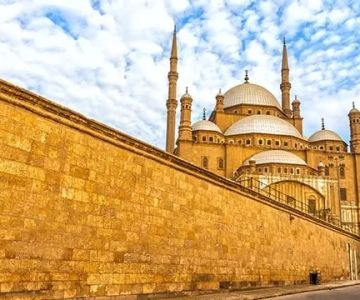
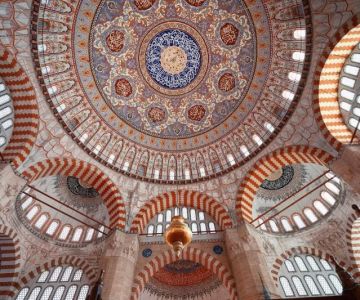
The architectural design of Malaysia’s mosques is a reflection of the fusion between traditional Islamic art and local Southeast Asian aesthetics. This combination results in unique structures that are not only places of worship but also architectural masterpieces. The influence of Mughal, Ottoman, and traditional Malay designs is evident in the intricate details, large domes, and expansive courtyards of the mosques.
One of the most iconic aspects of Malaysian mosques is their stunning minarets and prayer halls, which often feature detailed calligraphy, geometric patterns, and elements from local culture. The harmonious blend of Islamic architecture with local motifs gives Malaysia’s mosques a distinctive charm that is recognized across Southeast Asia.
3. Cultural and Religious Impact of Mosques in Malaysia
Beyond their architectural beauty, Malaysia’s mosques play a central role in the spiritual and cultural life of its people. They serve as community centers where worshippers come together for daily prayers, religious events, and educational activities. Mosques in Malaysia are also vital in preserving and transmitting Islamic teachings, as well as providing social services to the community.
The mosques foster a sense of unity among Muslims in Malaysia, as they are spaces where religious leaders offer guidance, and where festivals such as Ramadan and Eid are celebrated with great devotion. They are also vital in promoting interfaith dialogue and understanding, as many mosques in Malaysia open their doors to visitors from all cultural and religious backgrounds, offering tours and educational programs about Islam and its cultural impact on the region.
4. The Modern-Day Relevance of Mosques in Malaysia
In today’s modern Malaysia, mosques continue to play a central role in both religious and cultural spheres. The country has over 7,000 mosques, and many are known for their beautiful modern designs, incorporating contemporary architecture while staying true to traditional Islamic principles. These mosques represent not only places of worship but also the growing influence of Islam in Malaysia's modern society.
As Malaysia continues to be a melting pot of cultures, the role of mosques extends beyond the religious realm. Many mosques engage in social and environmental projects, from organizing charity events to creating programs that support local communities. They also provide spaces for dialogue on global issues, showcasing the evolving role of mosques in addressing the challenges of the modern world while staying rooted in tradition.
5. Case Study: The Iconic Masjid Negara
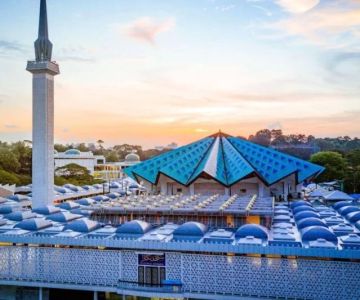
Masjid Negara, or the National Mosque of Malaysia, located in Kuala Lumpur, is one of the most well-known and historically significant mosques in the country. Completed in 1965, it is a testament to Malaysia’s modern Islamic architecture. The mosque features a 16-pointed star-shaped concrete dome, symbolizing the Islamic faith, and a 73-meter-high minaret that serves as a beacon of Islamic unity.
Masjid Negara is not only an important place of worship but also a symbol of Malaysia’s commitment to preserving and advancing Islamic culture in the modern age. The mosque has become a popular tourist destination, offering visitors an opportunity to experience both the cultural and spiritual heart of Malaysia.
6. Exploring Malaysia’s Mosques: Where to Visit
When traveling to Malaysia, exploring its mosques offers a unique glimpse into the country’s rich Islamic heritage. Some of the most famous mosques to visit include:
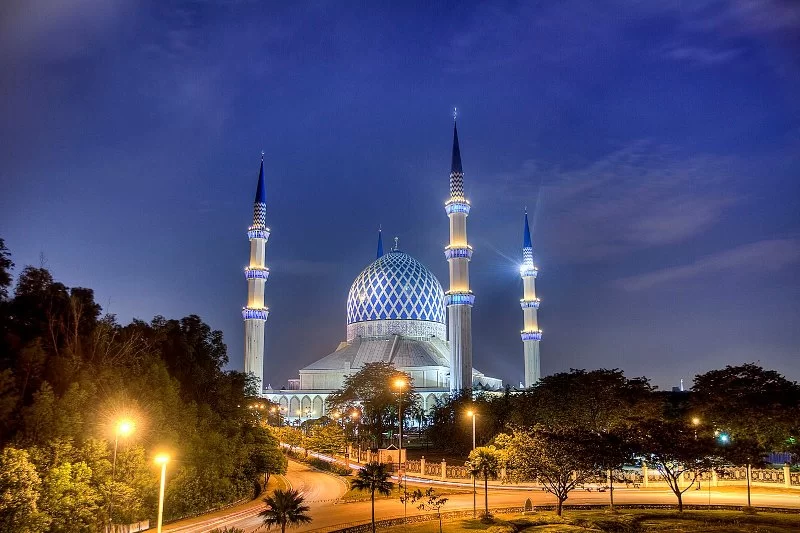
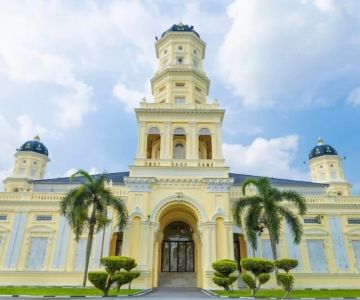
6.1. Sultan Abu Bakar State Mosque, Johor Bahru
This mosque blends Victorian and Moorish architectural styles, making it one of the most beautiful mosques in Malaysia. Located in Johor Bahru, it is a stunning example of how Islamic architecture adapts to local styles.
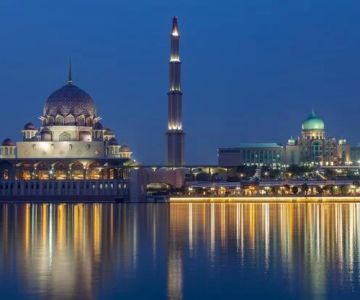
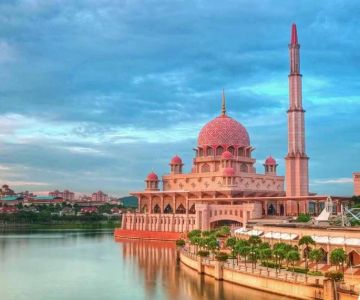
6.2. Putra Mosque, Putrajaya
Putra Mosque is known for its pink dome and the peaceful lake surrounding it. Located in the administrative capital of Malaysia, it is a peaceful place for reflection and prayer.
6.3. Masjid Kristal, Terengganu
Famous for its unique crystal-like design, the Crystal Mosque in Terengganu offers a striking blend of modern architecture with traditional Islamic elements. It is a must-see for anyone interested in Malaysia’s innovative approach to mosque design.
Whether you’re a history buff, a culture enthusiast, or simply looking to explore Malaysia’s Islamic heritage, visiting these mosques is a rewarding experience. They not only showcase the country’s architectural diversity but also provide insight into the lasting influence of Islam on Southeast Asia.
For those interested in exploring Malaysia further, check out Tengerszem Hotels for excellent accommodation options near these historic mosques.
 Kiara.Laluan B0.0 (0 reviews)
 Kak Mah Mee Celup4.0 (3 reviews)
 HOMESTAY JURA3.0 (3 reviews)
 Homestay Baitul Ummi Kuang Sungai Buloh4.0 (7 reviews)
 Beauty Sense4.0 (13 reviews)
 RIZQIN HOMESTAY TAMAN RUPAWAN4.0 (7 reviews)
 Exploring the Unique Designs of Mosques in Malaysia: A Journey Through Islamic Architecture
 Exploring the Architectural Beauty of Mosques in Malaysia: A Journey Through Islamic Architecture
 How to Get to the Famous Mosques in Kuala Lumpur by Public Transport: A Complete Travel Guide
 Visiting Malaysia’s Most Famous Mosques During Eid: A Unique Cultural Experience
 Top Mosques to Visit During Ramadan in Malaysia: A Traveler's Guide
 Discover the History of Masjid Titiwangsa in Kuala Lumpur: A Cultural and Architectural Gem